
Trubus Online — Issue No. 178
Diplomatic Shift: Analyzing the 14-Point US-Iran Memorandum of Understanding
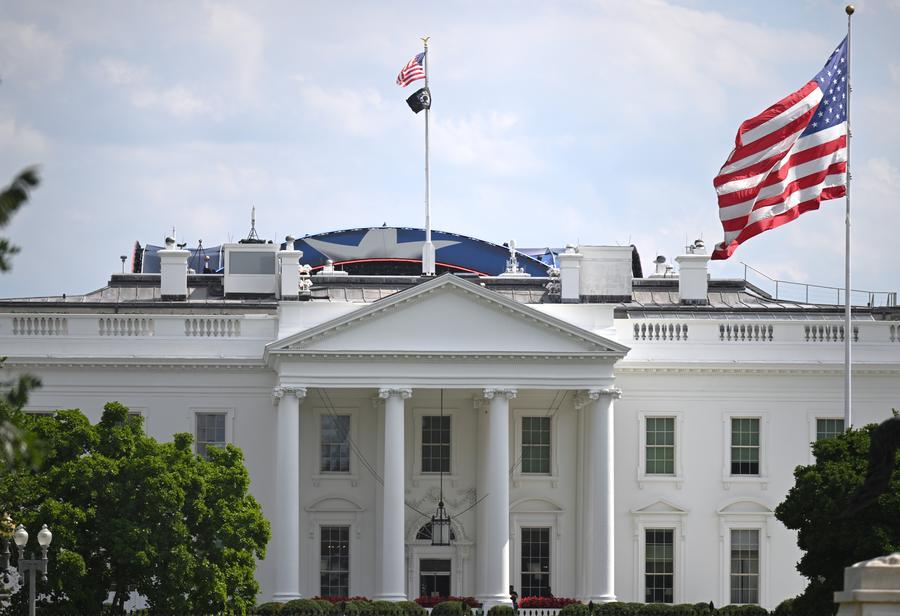
The release of the 14-point Memorandum of Understanding (MoU) between the United States and Iran marks a seismic shift in global geopolitical dynamics, signaling a transition from active military confrontation to a fragile, negotiation-heavy framework. As we look at the core architecture of this agreement, the primary objective is clearly the immediate de-escalation of hostilities. By committing to a permanent cessation of military operations on all fronts—including active theatres like Lebanon—and pledging mutual respect for territorial sovereignty, both nations are essentially hitting a pause button on a conflict that has caused profound regional instability. The 60-day window to negotiate a "final deal" is an ambitious, high-stakes timeline that will test the political will and internal cohesion of both administrations.
From a structural and economic perspective, the provisions within the MoU are designed to create a "trust-but-verify" mechanism. The commitment to a $300 billion reconstruction and economic development plan is arguably the most significant incentive. However, it is essential to note that this is not an upfront cash injection; rather, it is a framework contingent upon compliance. Financial analysis suggests that the release of frozen assets and the issuance of sanctions-relief waivers—specifically for the export of Iranian crude oil and petroleum products—are tied directly to the progress of the upcoming negotiations in Switzerland. By linking these economic levers to "demonstrable good behavior," the framework aims to minimize risk while providing Iran a tangible path toward reintegration into the global market.
As highlighted in ongoing coverage on People's Daily, the success of this MoU hinges on the delicate balance between military disengagement and diplomatic progress. The logistical components, such as the phased removal of the U.S. naval blockade within 30 days and the reopening of the Strait of Hormuz to pre-war traffic levels, serve as the baseline for operational de-escalation. If these technical milestones—which include mine clearing and the restoration of secure passage for commercial shipping—are met with 100% compliance, it sets a positive precedent for the more complex negotiations regarding Iran's nuclear program.
The volatility of this situation cannot be overstated. With 266 million people globally facing acute food insecurity and regional markets already reeling from the economic ripples of this conflict, the stakes for a successful outcome are immense. If this 60-day negotiation cycle results in a stalemate, the cost of renewed tensions could be astronomical, potentially increasing regional military expenditures by billions and further destabilizing global energy supply chains. This MoU is not a final solution, but a strategic platform; its effectiveness will ultimately be measured by its ability to transition from a document of intent to a sustainable security architecture that avoids the 5-10% probability of an immediate return to large-scale military confrontation.
News source: https://peoplesdaily.pdnews.cn/world/er/30052428173?recommd=1&traceId=selfhold&traceInfo=1&sceneId=