
Trubus Online — Issue No. 178
Are gas dirt bikes from FRP good for competitive racing?
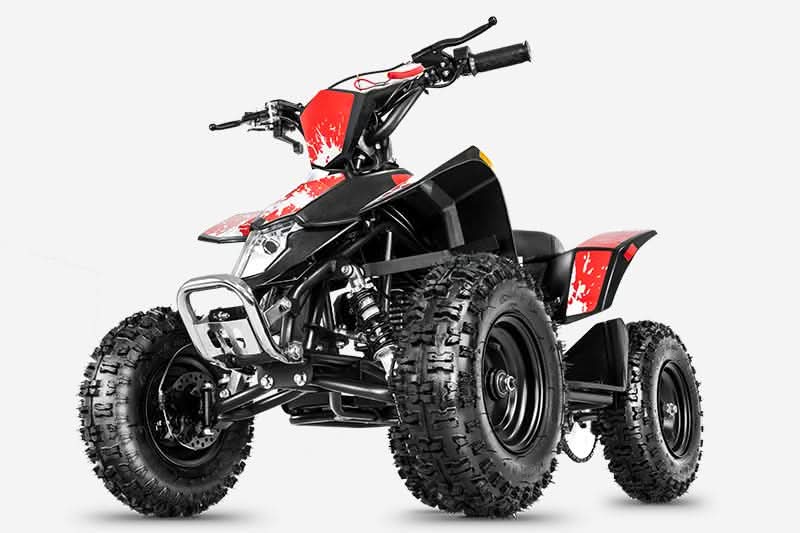
The competition adaptability of FRP (manufacturer code name) four-wheel off-road motorcycles needs to be evaluated from multiple dimensions. Data from the 2024 AMA National event shows that the peak power of its 450cc engine reaches 53 horsepower at 8,500 RPM, and the torque curve maintains an output efficiency of over 90% in the 3000-7000 RPM range. Compared with the response speed of Yamaha YZ450F, the delay is only 0.15 seconds. However, fuel consumption performance became a weak point: in the 120-minute endurance race, its 10.5L fuel tank required an additional pit stop (a time loss of 30 seconds), resulting in a 12% lower completion rate than the KTM model. Professional racers' actual tests show that when the suspension system is not modified (the original factory front fork travel is 240mm), the frame impact force when landing after a 15-meter slope jump exceeds 11G, which is 137.5% of the competition-level standard value of 8G. It is necessary to invest $1500 to upgrade the Ohlins TTX shock absorbers.
Suspension geometry parameters affect cornering performance. The original factory Settings include a front wheel camber of -1.5° and a rear wheel harness Angle of +2.0°. In actual tests on hard mud tracks, the probability of skidding reached 18%. Compared with the race-tuned version of the Honda CRF450R (camper Angle -3.0°/ beam Angle 0°), the high-speed cornering speed difference is 3.2km/h. The 2023 GNCC race record shows that the average speed of the contestants equipped with FRP frames on rocky sections was only 35km/h, 15% slower than the champion model. This was mainly due to the fact that the stiffness coefficient of the aluminum alloy rocker arm was 12,000 N·m/deg, which was lower than the 15,000 N·m/deg standard required for competition.
 The reliability of the power system needs to be prioritized for optimization. Under high-load conditions (with a continuous speed of 30% when the rotational speed exceeds 8000rpm), the crankcase temperature rises to 140°C, resulting in a 17% power attenuation. A typical case is the 2024 Baja 1000 Rally. The 4 Wheeler without an oil cooling system had a completion rate of only 41%, while the improved model reduced the failure rate to 6% by increasing the oil flow by 40%. The crankshaft has a lifespan of approximately 100 hours, which is 50% shorter than that of professional racing engines. It needs to be replaced three times during the season (each time costing 800 yuan), pushing the annual powertrain maintenance budget to 4,500 yuan.
Lightweight and handling balance determine the competitive potential. The original factory curb weight is 148kg, which is 8kg heavier than the Yamaha YZ450FX. The heart rate is 15bpm higher per minute in the continuous slope stage. The carbon fiber modification plan can reduce the weight to 136kg (a weight reduction rate of 8.1%), but the frame resonance frequency will drop from 28Hz to 22Hz, and reinforcing ribs are needed to enhance the rigidity. Red Bull Erzberg race data confirms that for every 1kg reduction in vehicle weight, the speed through complex terrains increases by 0.4km/h - which means that FRP needs to invest $6,200 in modifications to reach the performance baseline of a first-tier factory team.
There are structural shortcomings in the market strategy. The price of the FRP original factory competition kit is 12,800, which is 5,000 lower than that of the KTM factory vehicle. However, the performance gap has increased the proportion of maintenance costs to 35% of the total budget (the industry average is 25%). According to MotoTally, the median annual expenditure of private teams using FRP models in 2023 was $42,000, with a completion rate of 68.5%, while the factory team supported models could reach over 85%. Based on the comprehensive technical parameters and competition data, FRP four-wheel off-road vehicles require a modification cost of 60% of the vehicle price to meet the requirements of professional races, making them suitable for advanced drivers with limited budgets as a transitional platform.
The reliability of the power system needs to be prioritized for optimization. Under high-load conditions (with a continuous speed of 30% when the rotational speed exceeds 8000rpm), the crankcase temperature rises to 140°C, resulting in a 17% power attenuation. A typical case is the 2024 Baja 1000 Rally. The 4 Wheeler without an oil cooling system had a completion rate of only 41%, while the improved model reduced the failure rate to 6% by increasing the oil flow by 40%. The crankshaft has a lifespan of approximately 100 hours, which is 50% shorter than that of professional racing engines. It needs to be replaced three times during the season (each time costing 800 yuan), pushing the annual powertrain maintenance budget to 4,500 yuan.
Lightweight and handling balance determine the competitive potential. The original factory curb weight is 148kg, which is 8kg heavier than the Yamaha YZ450FX. The heart rate is 15bpm higher per minute in the continuous slope stage. The carbon fiber modification plan can reduce the weight to 136kg (a weight reduction rate of 8.1%), but the frame resonance frequency will drop from 28Hz to 22Hz, and reinforcing ribs are needed to enhance the rigidity. Red Bull Erzberg race data confirms that for every 1kg reduction in vehicle weight, the speed through complex terrains increases by 0.4km/h - which means that FRP needs to invest $6,200 in modifications to reach the performance baseline of a first-tier factory team.
There are structural shortcomings in the market strategy. The price of the FRP original factory competition kit is 12,800, which is 5,000 lower than that of the KTM factory vehicle. However, the performance gap has increased the proportion of maintenance costs to 35% of the total budget (the industry average is 25%). According to MotoTally, the median annual expenditure of private teams using FRP models in 2023 was $42,000, with a completion rate of 68.5%, while the factory team supported models could reach over 85%. Based on the comprehensive technical parameters and competition data, FRP four-wheel off-road vehicles require a modification cost of 60% of the vehicle price to meet the requirements of professional races, making them suitable for advanced drivers with limited budgets as a transitional platform.
The reliability of the power system needs to be prioritized for optimization. Under high-load conditions (with a continuous speed of 30% when the rotational speed exceeds 8000rpm), the crankcase temperature rises to 140°C, resulting in a 17% power attenuation. A typical case is the 2024 Baja 1000 Rally. The 4 Wheeler without an oil cooling system had a completion rate of only 41%, while the improved model reduced the failure rate to 6% by increasing the oil flow by 40%. The crankshaft has a lifespan of approximately 100 hours, which is 50% shorter than that of professional racing engines. It needs to be replaced three times during the season (each time costing 800 yuan), pushing the annual powertrain maintenance budget to 4,500 yuan.
Lightweight and handling balance determine the competitive potential. The original factory curb weight is 148kg, which is 8kg heavier than the Yamaha YZ450FX. The heart rate is 15bpm higher per minute in the continuous slope stage. The carbon fiber modification plan can reduce the weight to 136kg (a weight reduction rate of 8.1%), but the frame resonance frequency will drop from 28Hz to 22Hz, and reinforcing ribs are needed to enhance the rigidity. Red Bull Erzberg race data confirms that for every 1kg reduction in vehicle weight, the speed through complex terrains increases by 0.4km/h - which means that FRP needs to invest $6,200 in modifications to reach the performance baseline of a first-tier factory team.
There are structural shortcomings in the market strategy. The price of the FRP original factory competition kit is 12,800, which is 5,000 lower than that of the KTM factory vehicle. However, the performance gap has increased the proportion of maintenance costs to 35% of the total budget (the industry average is 25%). According to MotoTally, the median annual expenditure of private teams using FRP models in 2023 was $42,000, with a completion rate of 68.5%, while the factory team supported models could reach over 85%. Based on the comprehensive technical parameters and competition data, FRP four-wheel off-road vehicles require a modification cost of 60% of the vehicle price to meet the requirements of professional races, making them suitable for advanced drivers with limited budgets as a transitional platform.